Yes. An original Nokia 3310 can still make calls and send text messages in the UK in November 2026. You need a working handset, a compatible active SIM and local 2G coverage. There is still time to enjoy it, but the networks it depends on are heading towards retirement. [1] [2]
Got an old Nokia tucked away in a drawer? There’s something lovely about that familiar startup screen, a proper keypad and a quick game of Snake. Getting a 3310 working again is part nostalgia trip, part small restoration project — and, with a little preparation, you can still enjoy both.
Checked: 7 November 2026. UK guide to the original 2000 handset. Network dates and SIM availability can change.
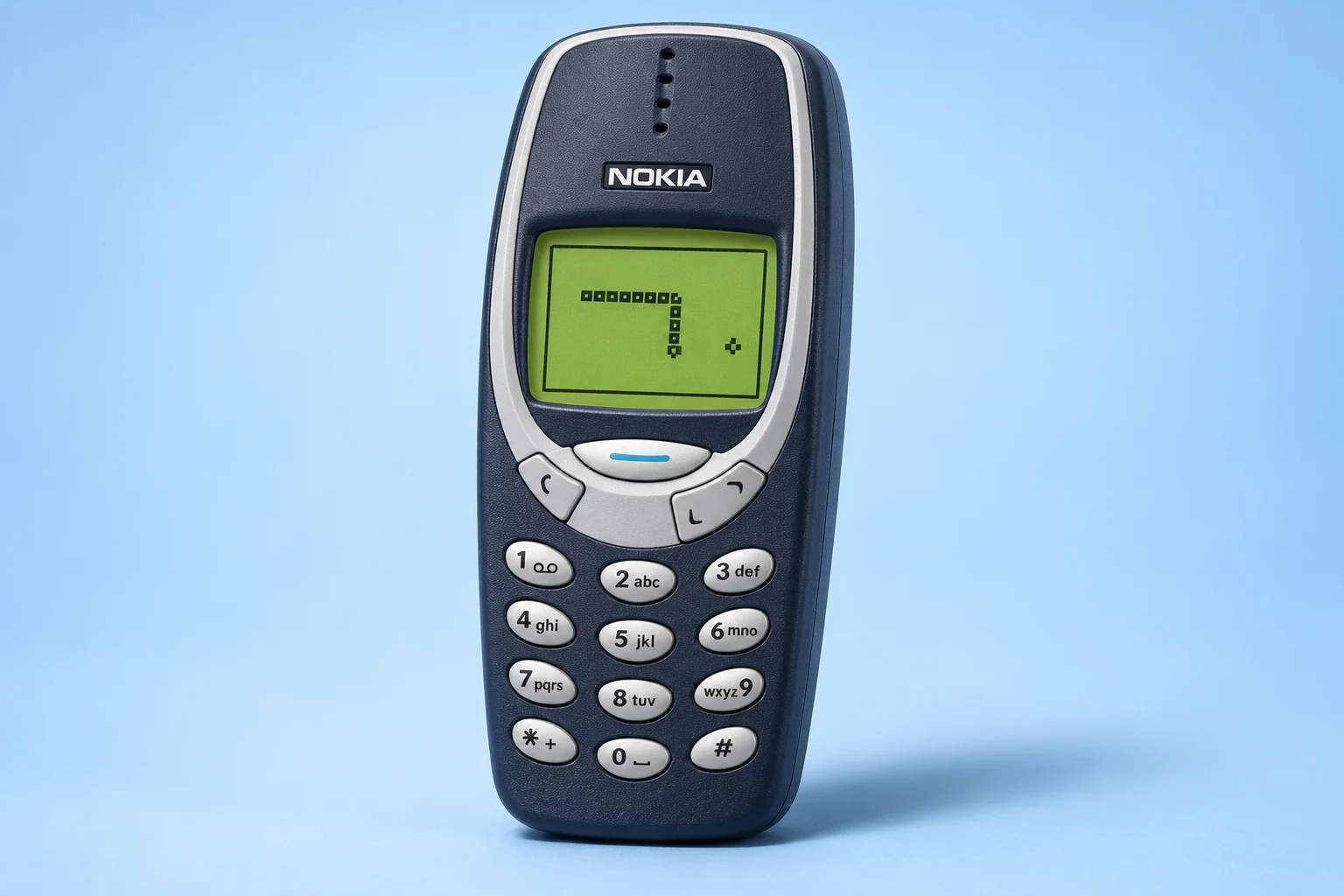
First, which Nokia 3310 have you got?
The name has been used for different phones. Nokia announced the original on 1 September 2000: a GSM 900/1800 handset from the days of changeable covers and SMS chat. [2]
| Handset | Mobile technology | What matters today |
|---|---|---|
| Original Nokia 3310 (2000) | 2G GSM | This is the handset covered by this guide. [2] |
| Later 3310 revival, 2G version | 2G GSM | A newer appearance does not mean 4G support. [3] |
| Nokia 3310 3G | 2G and 3G | The UK 3G shutdown leaves a compatible UK model relying on 2G. [1] [4] |
| Nokia 3310 4G (2018, China-focused) | 4G, with a regional network specification | A separate model from the 2017 revivals. Check UK network and calling compatibility before importing. See the photo comparison below. [13] |
The easiest place to start is the model label under the battery. Match that to the specification before buying: an advert saying “Nokia 3310” can describe several quite different phones.
Which UK networks can it use?
The original 3310 needs 2G. A strong 4G or 5G signal on your smartphone does not prove that the Nokia will have service in the same place. Ofcom currently identifies EE, O2 and Vodafone as the UK networks offering 2G. [1]
| Underlying network | Original 3310 | Announced 2G retirement |
|---|---|---|
| EE | Potentially usable, with suitable SIM and coverage | Closure begins from May 2029. [5] |
| O2 | Potentially usable, with suitable SIM and coverage | Closure starts in summer 2029. [6] |
| Vodafone | Potentially usable, with suitable SIM and coverage | Spring 2030; some areas may close earlier during trials. [7] |
| Three | Not suitable for this 2G-only handset | Three has no 2G network. [8] |
The network is only part of the story. Ask your chosen provider whether its current physical SIM and plan support an original GSM handset, then test it where you intend to use it.
Other brands use these networks: for example, giffgaff and Tesco Mobile use O2, while Lebara and VOXI use Vodafone. Check the brand’s own service terms as well as its host network. The Vodafone–Three merger does not mean you should assume a Three SIM will work in a 3310. [1] [6] [7]
Doesn’t the UK have 2G until 2033?
2033 is an outer deadline, not a promise of service until then. The operators have announced earlier dates, as shown above. Local trial closures can also happen before the wider shutdown. [1] [7]
The UK’s completed 3G shutdown is a separate event. The original 3310 never used 3G, so its loss does not directly stop this handset working; the relevant change is the withdrawal of 2G. [1] [2]
There is no unlock code, new SIM or firmware update that adds a 4G radio to the original hardware. Once suitable 2G service disappears, an ordinary network unlock cannot bring its calls and texts back.
Getting an old 3310 working again
1. Check the battery and charger
Remove the back cover and inspect the battery and contacts before trying to charge it. Do not use a pack that is swollen, leaking or visibly damaged. After years in a drawer, even a battery that looks fine may struggle to hold a useful charge.
Nokia’s original manual lists the BMC-3 NiMH and BLC-2 lithium-ion batteries. Check that a replacement explicitly fits the original 3310; a battery advertised for a later 3310 is not automatically interchangeable. The manual lists compatible chargers including the ACP-7 and ACP-8. [9]
“New old stock” can sound promising, but an unused battery may still be many years old. Look for clear compatibility information, a trustworthy seller and a return policy. Check the charger’s cable, casing and mains rating too.
2. Choose the right physical SIM
The original handset takes a standard-size mini-SIM, the largest usable size in a typical three-in-one SIM pack. It does not take an eSIM. Leave a new triple-cut card at the standard size rather than popping out the tiny nano-SIM. For example, giffgaff still supplies cards with standard, micro and nano sizes. [9] [10]
If you are moving an existing nano-SIM, a correctly fitting adapter may be needed. Never force it into the holder. A fresh standard-size card from your provider is often less fiddly.
Activate the SIM as instructed and make sure it has a working calls-and-texts service. A current card advertised for 4G or 5G is not automatically unsuitable; what matters here is whether the provider and card also support GSM. Confirm that before spending money.
For a first experiment, a separate SIM is easier than moving your main number. If you use pay as you go, check the provider’s inactivity rules so an occasionally used nostalgia phone does not lose its service.
3. Work out whether it is network-locked
A handset originally sold in a subsidised package may still be tied to its original network. A network lock, a SIM PIN and the phone’s security code are different things: solving one does not necessarily solve the others. [9]
For supported original models, start with our Nokia unlock calculator and original DCT3 guide. Read the compatibility notes and establish the original locking network before entering a code. These tools are not for the later 3310 reissues.
Avoid repeatedly trying guessed codes. A successful network unlock also cannot repair a faulty handset, create coverage or remove an IMEI blacklist. Our blacklisting guide explains that separate issue.
4. Test the basics
Once the handset registers on a network, make an ordinary outgoing call, call it from another phone, and send a text in each direction. Listen for a clear earpiece and microphone, try every key, and watch whether the battery indicator drops sharply during a call.
A useful first troubleshooting step is to try the SIM in another unlocked phone. That can separate an inactive account or faulty SIM from a problem with the Nokia, although success on a modern phone still does not prove 2G compatibility.
What can you actually do with it?
Calls, ordinary SMS, a phonebook, alarm, calculator and built-in games are the attraction. Nokia’s original launch announcement made a feature of longer messages and SMS-based chat; it was a different idea of mobile messaging from today’s apps. [2] [9]
Do not expect WhatsApp, banking apps, QR-code tickets, Wi-Fi calling or a modern web browser. If you use it for an afternoon away from your smartphone, think ahead about anything you normally need an app to do.
There is also a practical distinction between making an emergency call and receiving a government alert: the original 3310 cannot receive the UK’s Emergency Alerts, which operate on compatible devices using 4G or 5G. [11]
For a hobby or occasional break from apps, those limits may be acceptable. For a main phone you plan to keep using for years, a modern basic handset with 4G calling supported by your provider is a more sensible starting point. [12]
If it doesn’t work
| What you see | What to check first |
|---|---|
| No power or charging indication | Battery condition and seating, charger compatibility, cable and contacts. |
| “Insert SIM card” | Correct card size, positioning and clean, undamaged contacts. |
| A request for a PIN or PUK | This concerns the SIM. Get the correct code from its provider instead of guessing. |
| A request for a security code | This concerns the handset. See our classic Nokia security-code guide. |
| The SIM is rejected, or the phone cannot register | Possible network lock, incompatible SIM/service, absent 2G coverage, a blacklist or a hardware fault. The symptom alone does not identify which. |
These checks should help narrow things down. If the provider confirms compatible service and a known-good SIM still fails, an experienced repairer may be able to give the handset a closer look.
A few final questions
Can I use it abroad?
Do not assume that working in Britain means working overseas. You would need compatible GSM frequencies, a surviving 2G network and roaming access permitted by both providers. Countries are closing older networks on different schedules; check the actual destination before relying on it. [1] [2]
Will it become useless when 2G closes?
It will lose ordinary mobile service wherever it can no longer reach a compatible network. That does not remove its built-in games or stop it being a piece of mobile history. Keep a suitable physical SIM if your handset needs one to get past its startup screen.
Is it worth buying one now?
For the pleasure of using a classic phone, yes—as long as the price reflects its condition and the limited remaining network life. Ask the seller to demonstrate charging, an actual call and working keys. “Powers on” is a much smaller promise than “works as a phone”.
If you already have one in a drawer, the project is even more appealing. Check it over, find a suitable SIM, and see whether that familiar little screen can still announce an incoming call.
Classic Nokias reborn with 4G
There’s another way to scratch the Nokia nostalgia itch. HMD has brought back several familiar names with newer radios inside, so you can enjoy a proper keypad without depending entirely on 2G. These are new handsets inspired by the classics; the original phones themselves cannot be upgraded to 4G.
Here are eight classic model families that returned with 4G, alongside their predecessors. Some closely echo the old design; others mainly revive the name. Two later HMD-branded versions are included too.
Dates are model launch years; some pictured colours arrived later. Pictures are not shown to a common scale. This is a historical comparison: several of these remakes have since been discontinued.
Nokia 3310: 2000 → 2018
Yes, there really was a Nokia 3310 4G. It arrived in 2018 for China, separately from the better-known 2017 2G and 3G revivals. It keeps the rounded remake design and adds a 4G radio. Its network specification was intended for that market, so British buyers need to check compatibility carefully. Check the exact model and your provider’s support before considering an import. [13]
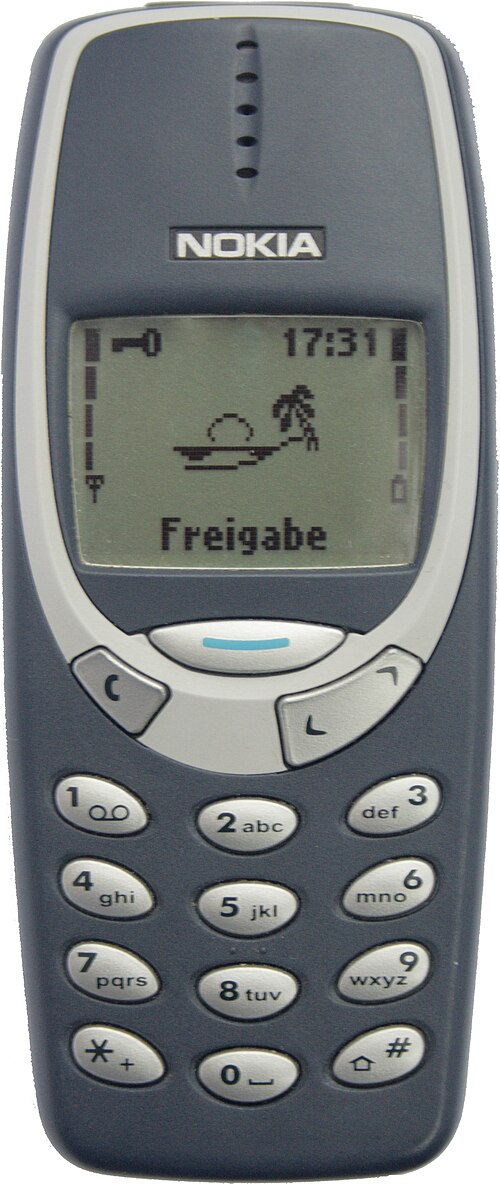
Image: Michael Brandtner · Public domain.

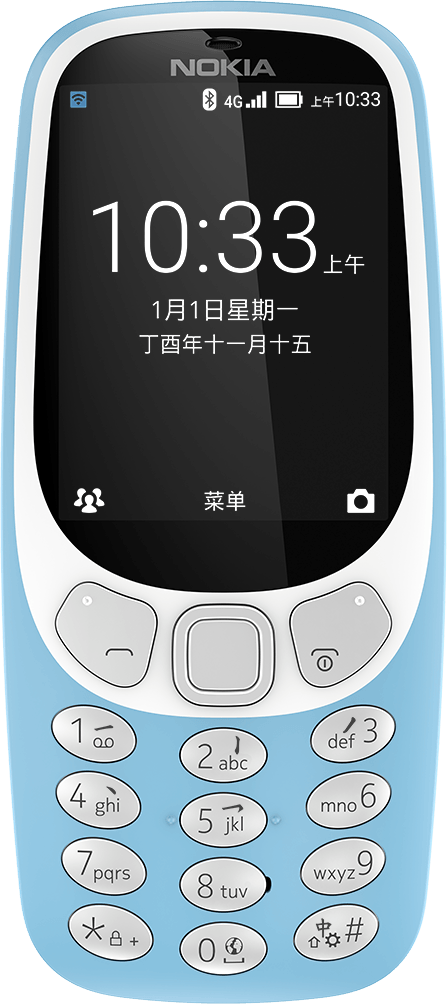
China-focused model
Image: HMD Global.
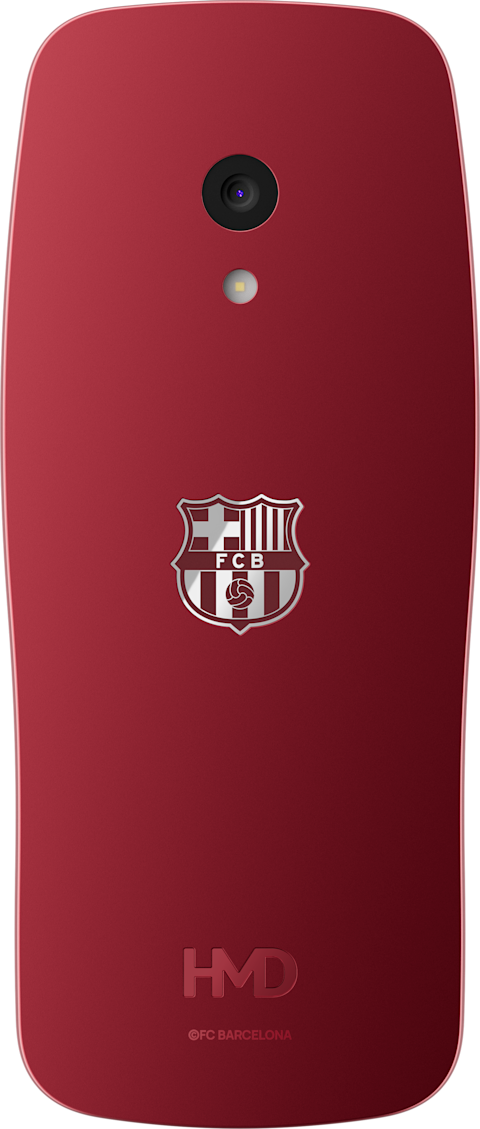
Nokia 3210: 1999 → 2024
A classic name returned with a colour screen, 4G, USB-C charging and Snake. The 2024 phone echoes the familiar keypad and rounded outline while giving the design a substantial refresh. In 2025, HMD followed it with the HMD Barça 3210, an FC Barcelona edition using HMD branding. [14] [21]
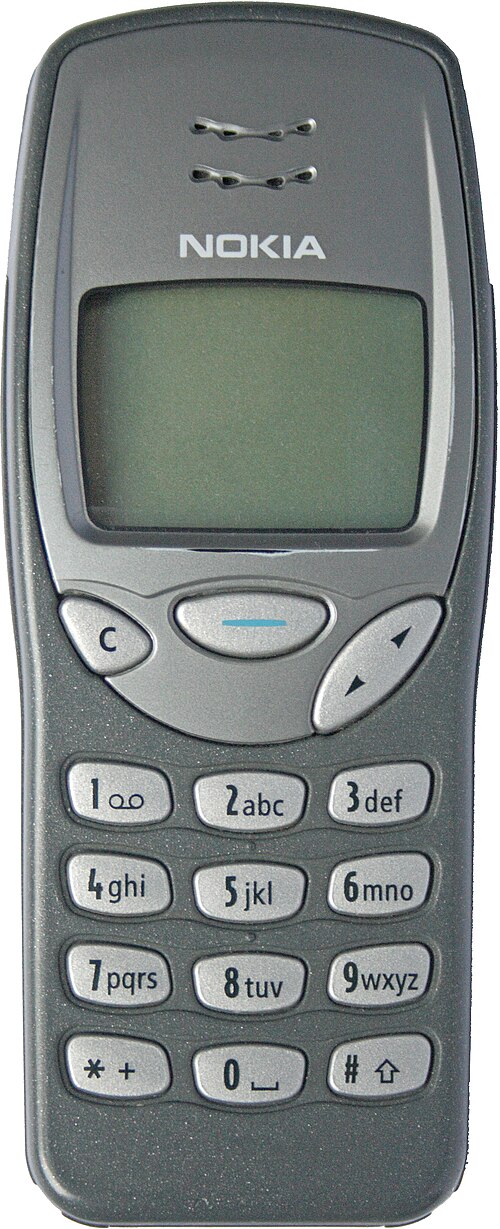
Image: Michael Brandtner · Public domain.

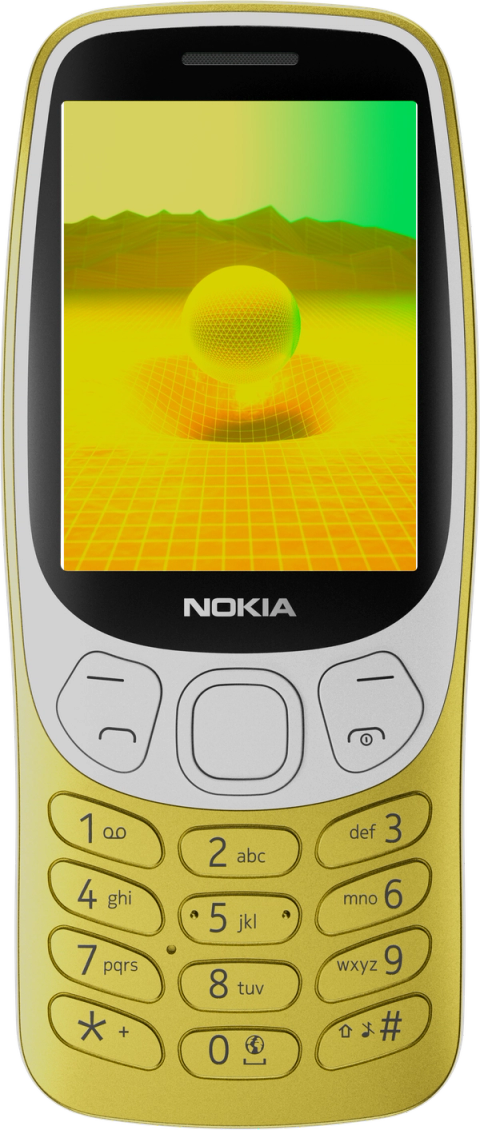
Image: HMD Global.
Rear view
Image: HMD Global.
Nokia 8110: 1996 → 2018
The curved sliding cover made a comeback, with a bright yellow option helping the new model live up to its “banana phone” nickname. The original dates from 1996; the 2018 revival brought 4G and the KaiOS operating system underneath that familiar slider. [15] [26]
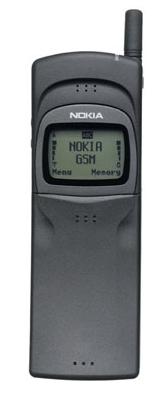
Image: Piotr Kwaśnik · Public domain.

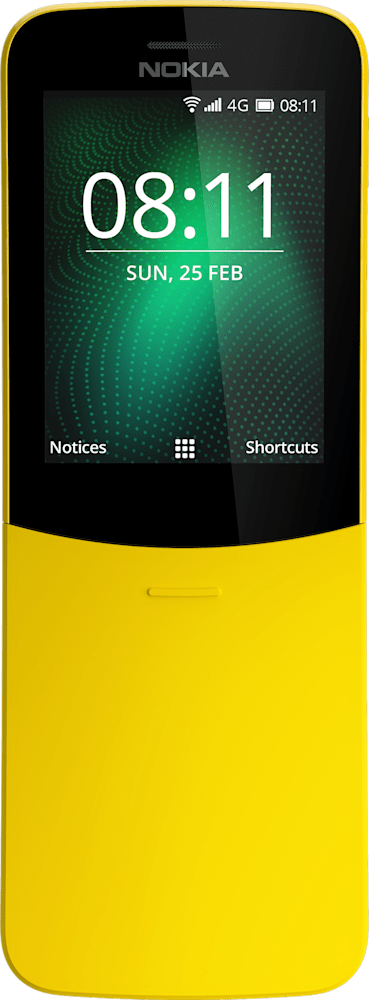
Image: HMD Global.
Nokia 8210: 1999 → 2022
The original 8210 was famous for being tiny. Its 2022 revival kept the name and compact-keypad look, but grew into a larger handset with a 2.8-inch screen and 4G calling. The family resemblance is there, although the remake takes up a little more room in your pocket. [16]
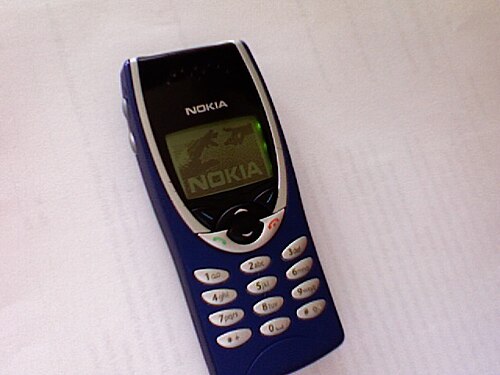
Image: Tankwart · Public domain.

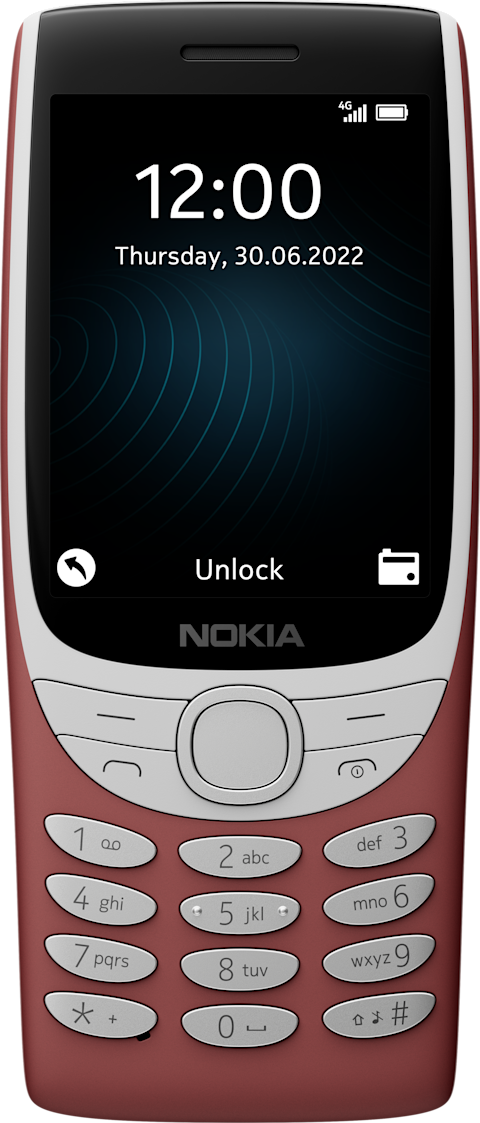
Image: HMD Global.
Nokia 6300: 2006/07 → 2020
Nokia announced the original 6300 in November 2006, with sales planned for early 2007. HMD revived the number in 2020 as the Nokia 6300 4G, carrying forward the straightforward screen-and-keypad layout in a newer KaiOS handset. [17] [22]
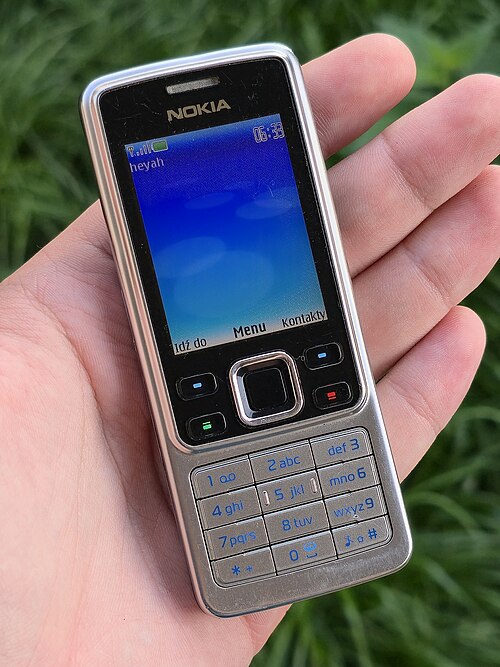
Image: Beamish4 · CC BY-SA 4.0.

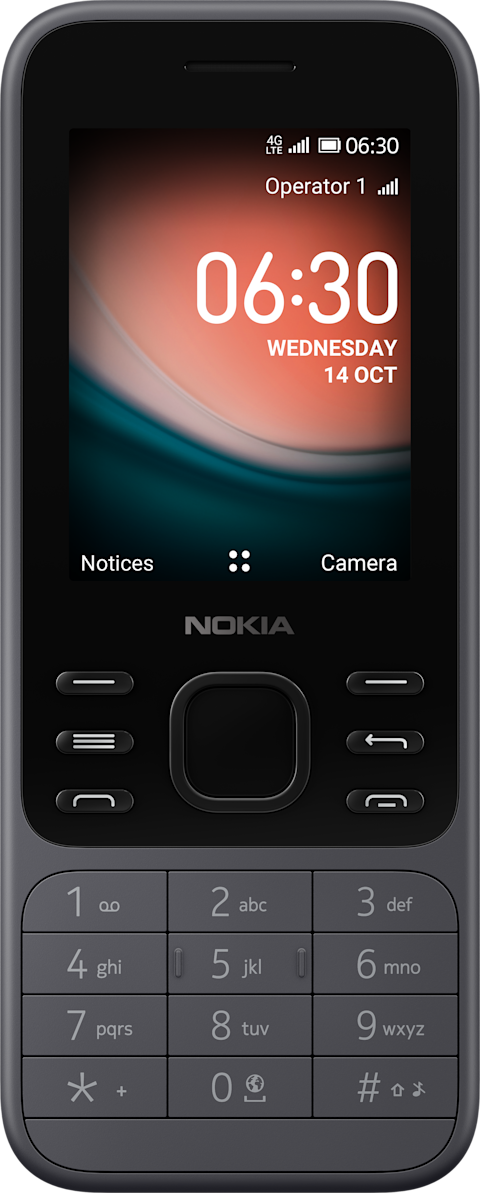
Image: HMD Global.
Nokia 2720: 2009 → 2019
The 2720 Fold returned a decade later as the 2720 Flip. Both have the satisfying folding format and an outside display; the 2019 version added 4G and a larger keypad. It is one of the clearest examples of HMD bringing an older Nokia concept into the 4G era. [18] [27]
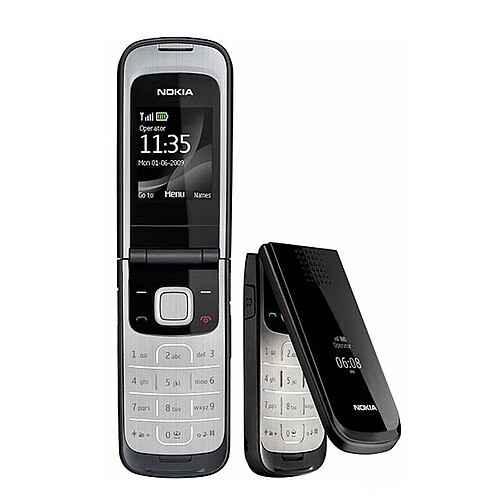
Image: Ch91.2007 · CC BY-SA 4.0.

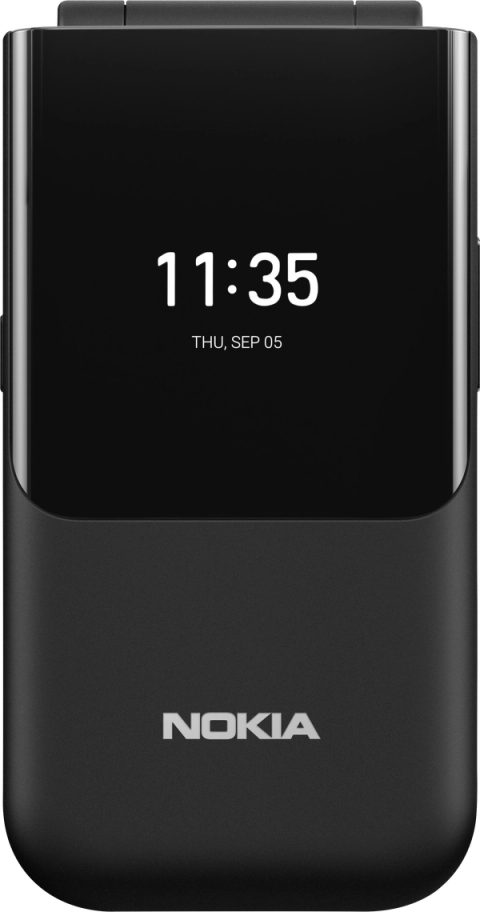
Image: HMD Global.
Nokia 2660: 2007 → 2022 → HMD in 2025
The 2660 name also began on a Nokia clamshell. HMD brought it back as the Nokia 2660 Flip in 2022, with big buttons, an outside screen and 4G. A further version arrived in 2025 under HMD’s own name, showing how these familiar model numbers have carried on beyond Nokia branding. [16] [20] [23]
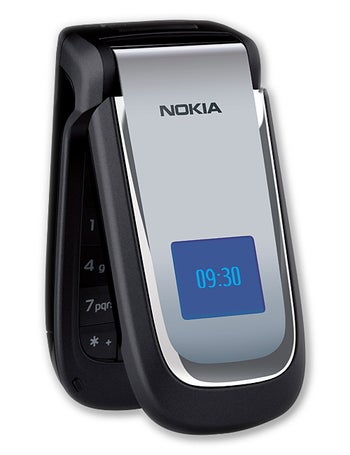
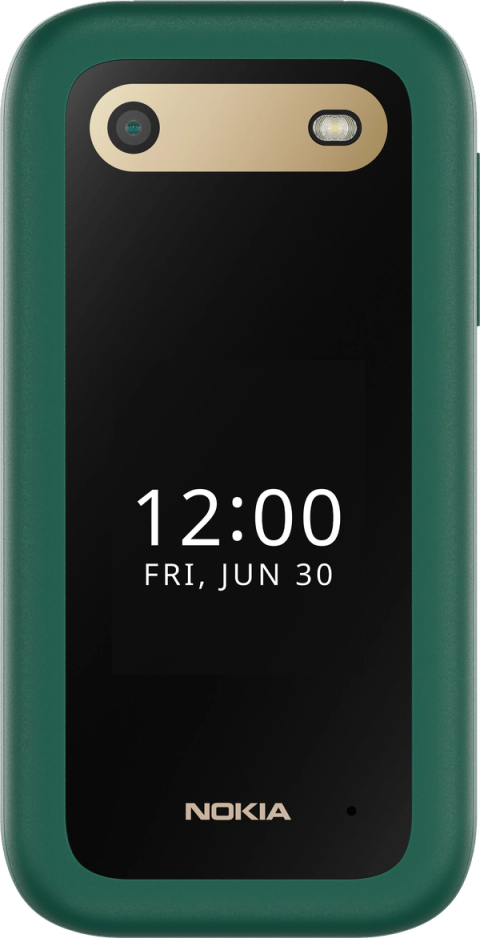
Image: HMD Global.
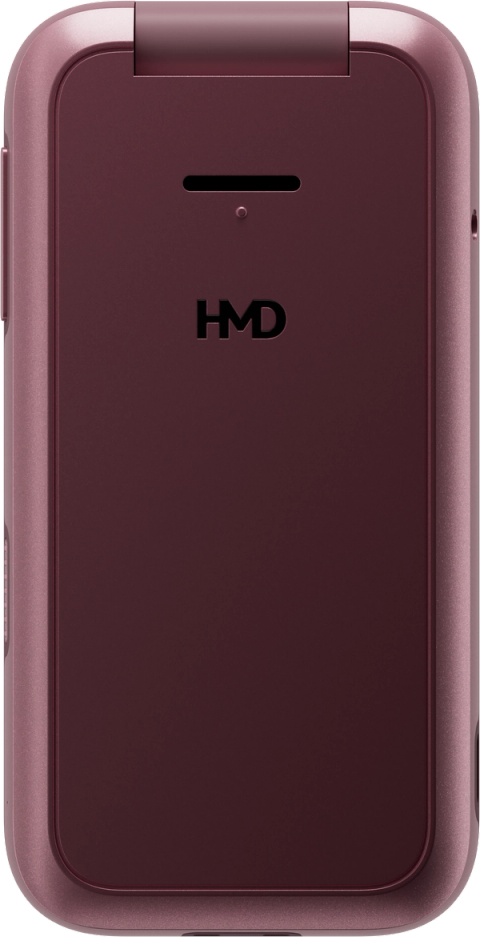
Image: HMD Global.
Nokia 2760: 2007 → 2022
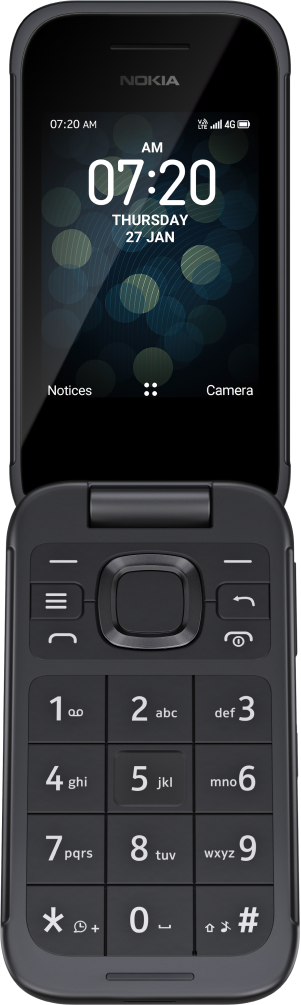
Another 2007 flip-phone name resurfaced as the Nokia 2760 Flip in HMD’s 2022 US line-up. It belongs in the history of Nokia’s 4G revivals, although UK readers should pay particular attention to the regional version and any carrier restrictions when looking at imported examples. [19] [23]
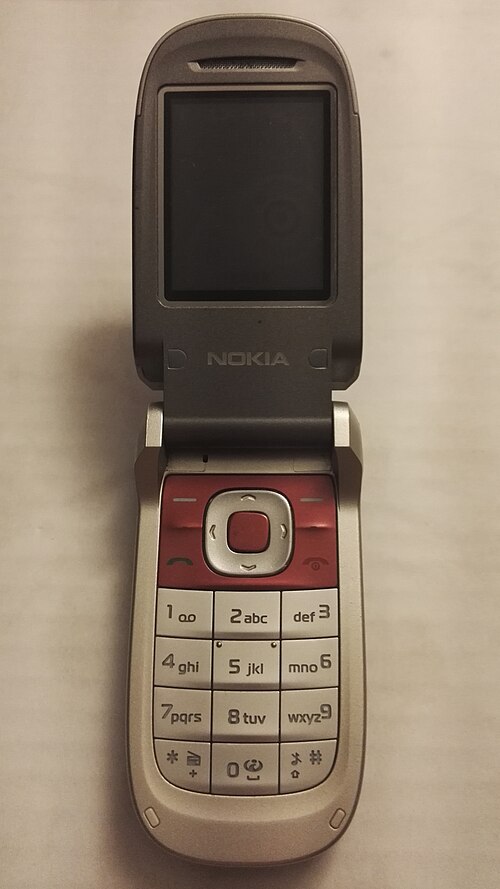
Image: GtrxAC · CC BY-SA 4.0.

US-market model
Image: HMD Global.
Other tributes — and some 2G surprises
The Nokia 8000 4G (2020) drew inspiration from the premium 8000 series rather than recreating a single old “Nokia 8000”. The Nokia 5710 XpressAudio (2022), with its built-in wireless earbuds, was described by HMD as taking inspiration from the 5310. Both fit the nostalgia theme, but neither makes a straightforward original-versus-remake pair. [17] [16]
A new release date does not guarantee 4G. The Nokia 5310 (2024) and Nokia 6310 (2024) are still 2G phones, according to HMD’s specifications. The ordinary 2017 Nokia 3310 revival is also a different product from the China-focused 3310 4G shown above. [24] [25] [3]
For a phone you plan to keep using after the UK’s 2G closure, check the exact regional model, supported 4G bands and your provider’s 4G calling (VoLTE) support. A familiar name or a “4G” label alone is not enough to establish that a particular import will make calls on your chosen network. [12]
Sources and further reading
Network information checked on 7 November 2026. This is a researched guide, not a claim that every handset and current SIM combination has been personally tested. Operator dates describe announced plans and may change.
- Ofcom — UK 2G and 3G switch-off guidance
- Nokia — original 3310 launch announcement, 1 September 2000
- HMD — later Nokia 3310: supported networks
- HMD — Nokia 3310 3G: supported networks
- EE — 2G and 3G switch-off
- Virgin Media O2 — 2G closure starts in summer 2029
- VodafoneThree — Vodafone 2G closure in spring 2030; updated 5 November 2026
- Three — network coverage FAQ, including absence of 2G
- Nokia — original 3310 owner’s manual, archived by Manualzz
- giffgaff — SIM sizes and ordering a physical SIM
- GOV.UK — how Emergency Alerts work
- GOV.UK — preparing mobile devices for the 2G switch-off
- HMD — Nokia 3310 4G: supported networks
- HMD — Nokia 3210 revival announcement, 7 May 2024
- HMD — Nokia 8110 4G product information
- HMD — Nokia 8210 4G, 2660 Flip and 5710 XpressAudio launch, 12 July 2022
- HMD — Nokia 6300 4G and 8000 4G launch, 12 November 2020
- HMD — Nokia 2720 Flip UK launch release, reproduced by HEXUS, 31 October 2019
- HMD — 2022 US range including the Nokia 2760 Flip
- HMD — HMD 2660 Flip announcement, 2 March 2025
- HMD — Barça 3210 and Fusion announcement, 24 April 2025
- Nokia — original 6300 announcement, 28 November 2006
- Nokia — May 2007 announcements including the original 2660 and 2760, filed with the SEC
- HMD — Nokia 5310 (2024) specifications: 2G
- HMD — Nokia 6310 (2024) specifications: 2G
- Nokia — history image archive, including the 1996 Nokia 8110
- Nokia — original 2720 Fold data sheet, 2009, archived by Farnell